

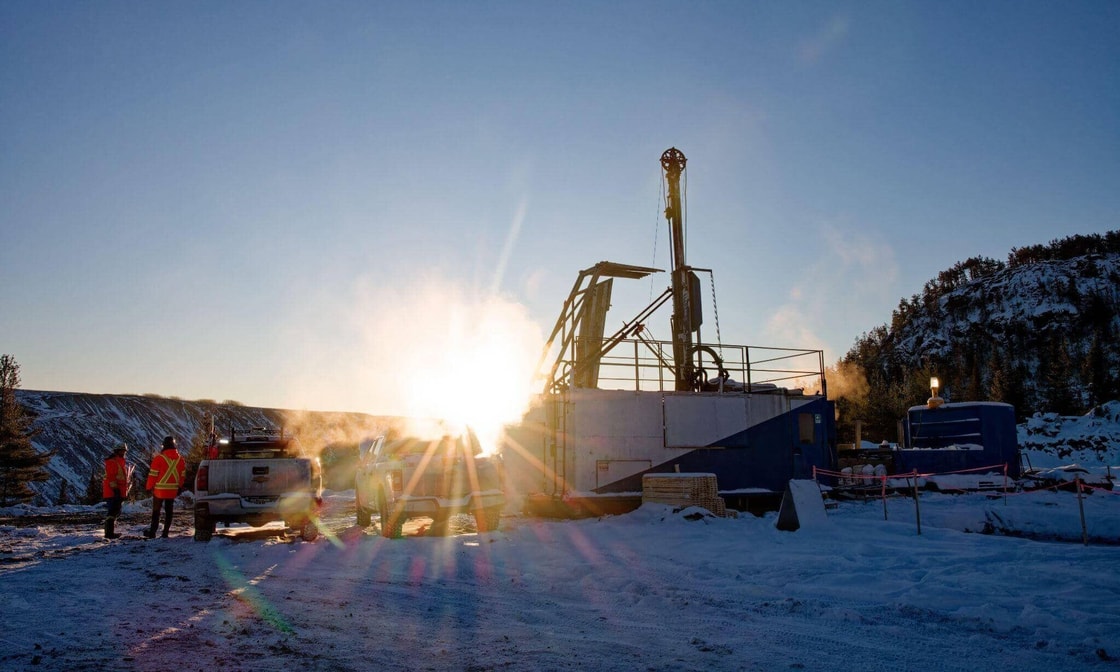
California-based Vema Hydrogen says the wells will host the first field deployment of its “engineered mineral hydrogen” technology, which injects water into iron-bearing rocks below the surface to trigger hydrogen-producing reactions.
It claims it could produce huge volumes of hydrogen for less than $1/kg – below even unabated fossil-based processes.
The approach aims to replicate geologic hydrogen generation, a naturally occurring process in the Earth’s crust driven by reactions such as serpentinisation and iron oxidation, which can trap hydrogen in underground reservoirs.
The pilot wells will be used to analyse subsurface fluid movement, reaction rates, and hydrogen output – data the company says will underpin its commercial-scale modelling.
“This pilot will provide the critical data needed to validate engineered mineral hydrogen at commercial scale and demonstrate that Quebec can lead the world in this emerging clean energy category,” said Vema CEO Pierre Levin.
“The quality of the rock within our core samples is exactly what we expected and is very promising for hydrogen yields.”
Despite the technology still being at a pilot stage, the company has already secured early commercial commitments.
Last December, it signed a 10-year agreement to supply hydrogen to Verne Power for data centres starting in 2028. It was also recognised as a “qualified supplier” by the California hydrogen utility, First Public Hydrogen Authority.
If successful, the firm could provide a low-cost alternative to green and blue hydrogen production, while avoiding the complexity associated with accessing natural hydrogen deposits.
Never miss a hydrogen headline
Hydrogen moves fast – stay on top of it with our daily and weekly briefings.
- Daily: The top five hydrogen stories, straight to your inbox
- Weekly: The week’s biggest news, features, interviews and analysis
- North American Bulletin: Dedicated coverage of the region’s key hydrogen developments