
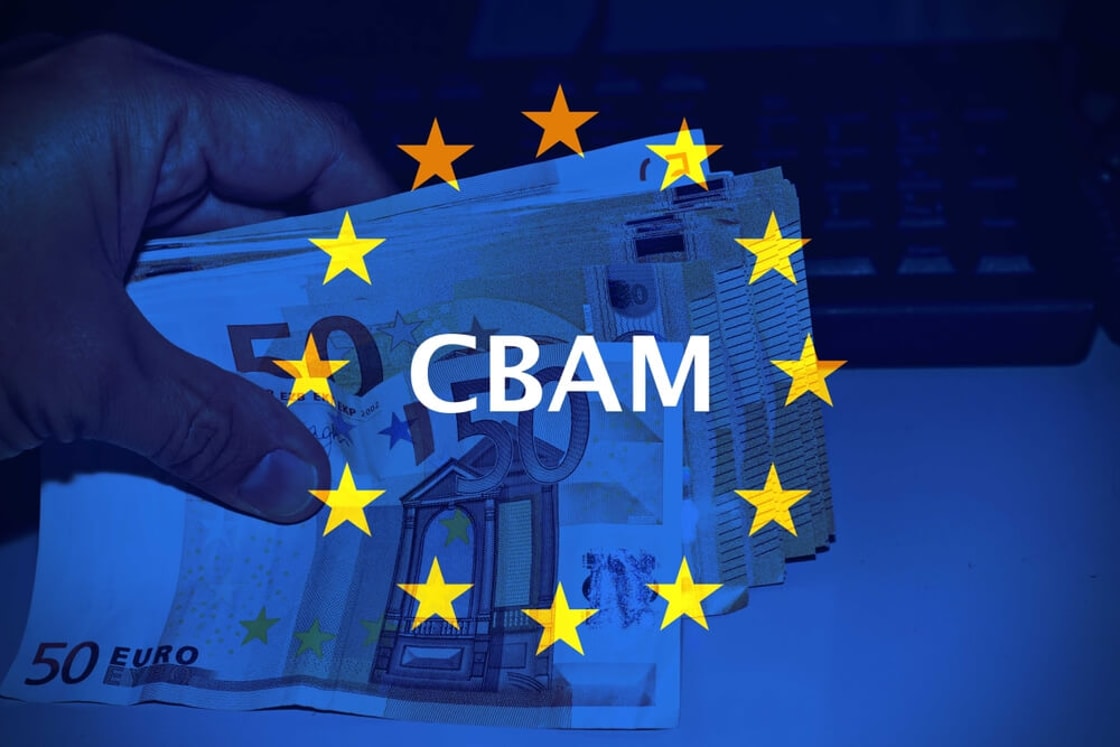
The first three months of the EU’s Carbon Border Adjustment Mechanism (CBAM) have begun to clarify its real impact: stabilising carbon price signals, reshaping ammonia trade flows, and supporting the business case for carbon capture in export markets.
For the hydrogen sector, the mechanism is emerging as a key determinant of where production is located, and in what form it is traded.
CBAM came into force on 1 January this year, covering hydrogen, electricity, fertilisers, aluminium, iron and steel, and cement. It applies a carbon price to imported goods.
This is a paid article, to read the article in full you can
sign in if you are subscribed or
subscribe today.