

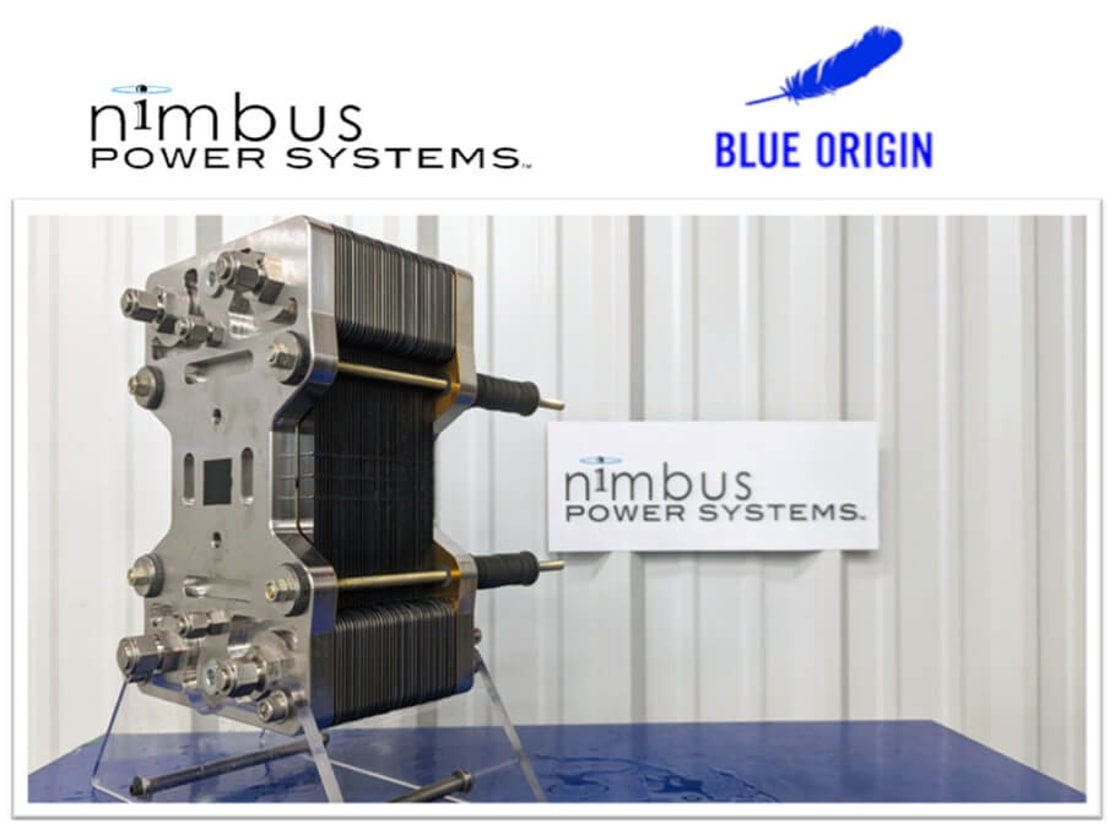
Shock and vibration tests, undertaken with Jeff Bezos’ Blue Origin, simulated mechanical loads that could be experienced during the lunar missions, where the fuel cells could be used for life support systems.
Nimbus’s technology could be installed in Blue Origin’s Blue Moon Lander, which is set to be used for Nasa’s anticipated return to the moon under the Artemis programme.
The fuel cells would be used to generate potable water and heating, in addition to electricity from hydrogen to support crewed operations.
Nasa has used hydrogen fuel cells for crewed missions since the 1960s.
To operate in zero-gravity environments, Nimbus has developed water management technology which uses a combination of capillary and hydraulic forces, which it claims decreases system complexity and costs.
Nimbus, which also develops fuel cell systems for the heavy-duty mobility, aerospace, and stationary power markets, said the success demonstrates the reliability of the underlying technology.
Michael Gorman, CEO of Nimbus, said the company will continue to “harmonise space and terrestrial fuel cell supply chains” to lower costs.
Never miss a hydrogen headline
Hydrogen moves fast – stay on top of it with our daily and weekly briefings.
- Daily: The top five hydrogen stories, straight to your inbox
- Weekly: The week’s biggest news, features, interviews and analysis
- North American Bulletin: Dedicated coverage of the region’s key hydrogen developments