
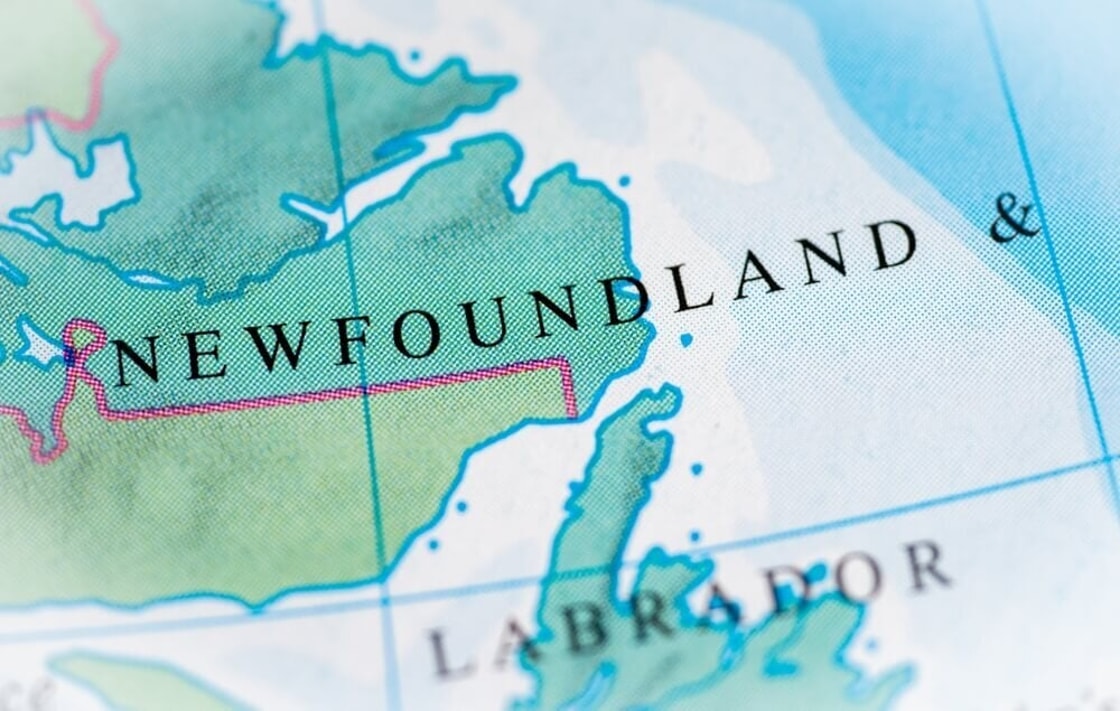
The update came from the Canadian province’s Energy Minister Lloyd Parrott, whose office said the global green hydrogen market was “growing more slowly than expected.”
The stripped reserves are related to World Energy GH2’s 1.2GW green ammonia project, EverWind Fuels’ Burin Peninsula green fuels project, and the Toqlukuti’k project being undertaken by ABO Wind, Braya Renewable Fuels, and Miawpukek First Nation.
The projects were awarded the right to develop on Crown Land in 2023, with reserves extended through the end of this month.
Under these deals, companies had to pay a Crown lands reserve fee equal to 3.5% of the land’s market value, billed every quarter.
The Energy Ministry said the three developments had “outstanding amounts” with the government due to begin “collection efforts.”
Meanwhile, a one-million-tonne green ammonia project being developed by a joint venture between Abraxas Power and EDF Power Solutions had its land reserves extended until 28 February 2027.
The CAD $14bn ($10.22bn) Exploits Valley Renewable Energy Corporation (EVREC) project intends to produce 180,000 tonnes of green hydrogen for ammonia synthesis near the port of Botwood for export. It is expected to reach final investment decision by 2030.
“We recognise the potential of wind-hydrogen to strengthen Newfoundland and Labrador’s position as a North American leader in green energy production, and we are pleased to extend the Crown lands reserve for EVREC as it advances its project,” Minister Parrott said.
“We will continue to maintain vigilant oversight of the remaining projects and will ensure that the residents of Newfoundland and Labrador are the primary beneficiaries of our resources.”
It comes as a blow to the region’s green hydrogen production and export plans, which had been underpinned by a Canadian-German partnership.
While the announcement doesn’t itself spell the end of the developments, the land reserves were originally intended for the upstream renewables that would have powered hydrogen and ammonia production processes.
World Energy GH2 has already shelved its development after failing to secure any offtake agreements. EverWind has made no update on its Burin project since September 2024. The Toqlukuti’k project’s last update was related to a public consultation on an environmental impact study in November 2025.
The Canadian East Coast has positioned itself as a major exporter of green hydrogen and ammonia to Europe.
In 2022, the Canadian and German governments signed a pact to build up trade in green molecules. They subsequently launched a joint €400m ($470m) double-sided auction that would provide funding to Canadian green hydrogen projects that sell molecules to Germany.
The cancellations highlight the widening gap between early policy ambition and slower-than-expected demand – raising fresh questions about the commercial viability and financing structure of large-scale hydrogen export projects.
Join the conversations shaping hydrogen
H2 View webinars bring together industry leaders to discuss the hottest topics and biggest trends.
With H2 View webinars, you’ll get:
• Insightful talks from global hydrogen experts
• Live debates, discussion, and audience Q&A
• On-demand access to every past webinar
Register for upcoming webinars or watch on demand