

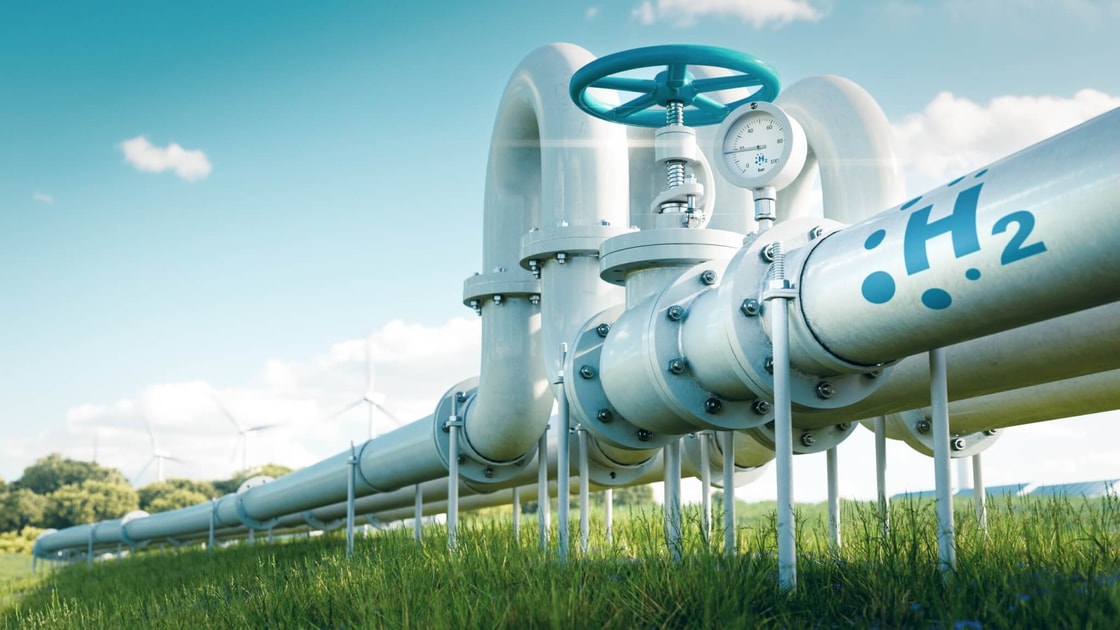
According to a study by Heriot-Watt University, distribution costs could limit growth in the sector, increasingly dwarfing the expenses of production, storage, and fuel cell technologies.
Pipes, terminals, and liquification plants, needed to link the entire hydrogen system, are identified as its most vulnerable components by Heriot-Watt.
The university analysed 777,000 patents and 1.3 million citations across 182 years of hydrogen research, revealing “clear differences in progress” across technologies.
Dr David Dekker, the paper’s lead author, said that most distribution infrastructure is in the hands of a few major companies that tend to shy away from collaboration for competition reasons, slowing progress across the entire sector.
Co-author, Prof. Dimitris Christopoulos, suggested that the industry bottleneck this creates may impede meeting climate deadlines and “undermine major investment programmes”.
Historically, hydrogen has been used close to where it is produced within large-scale industrial complexes. However, as nations look to switch to cleaner processes, which rely on cheap renewables, gas, and geologic formations for carbon storage, the distance between end-use and production is expected to grow significantly.
Hydrogen is increasingly being viewed as a commodity that could be traded between low-cost producing regions, with industrial consumers like Europe or Asia.
Many have warned that the costs associated with moving the molecule over long distances could undermine business cases, no matter how cheaply the hydrogen is produced.
A 2025 paper by Harvard scientists identified the pump price of grey hydrogen in California as “10 times greater than production costs alone…due to the significant storage and distribution infrastructure needed”.
Prof. Mercedes Maroto-Valer, head of the UK Industrial Decarbonisation Research and Innovation Centre (IDRIC), warned that without targeted action to de-risk infrastructure, distribution costs and uncertainty will “keep holding the market back.”
The Heriot-Watt paper said targeted policies, incentives for greater knowledge sharing, creation of open technical standards and publicly-backed demonstration projects would help reduce risk and speed up the development.
Reach the global hydrogen audience
Put your brand at the heart of the hydrogen conversation. With H2 View, you can reach decision-makers and professionals across the global hydrogen value chain.
Our 2026 Media Guide shows how you can:
• Advertise across digital, print, and newsletters
• Connect with a highly engaged hydrogen audience
• Align your company with trusted industry coverage
Download H2 View’s Media Guide today