

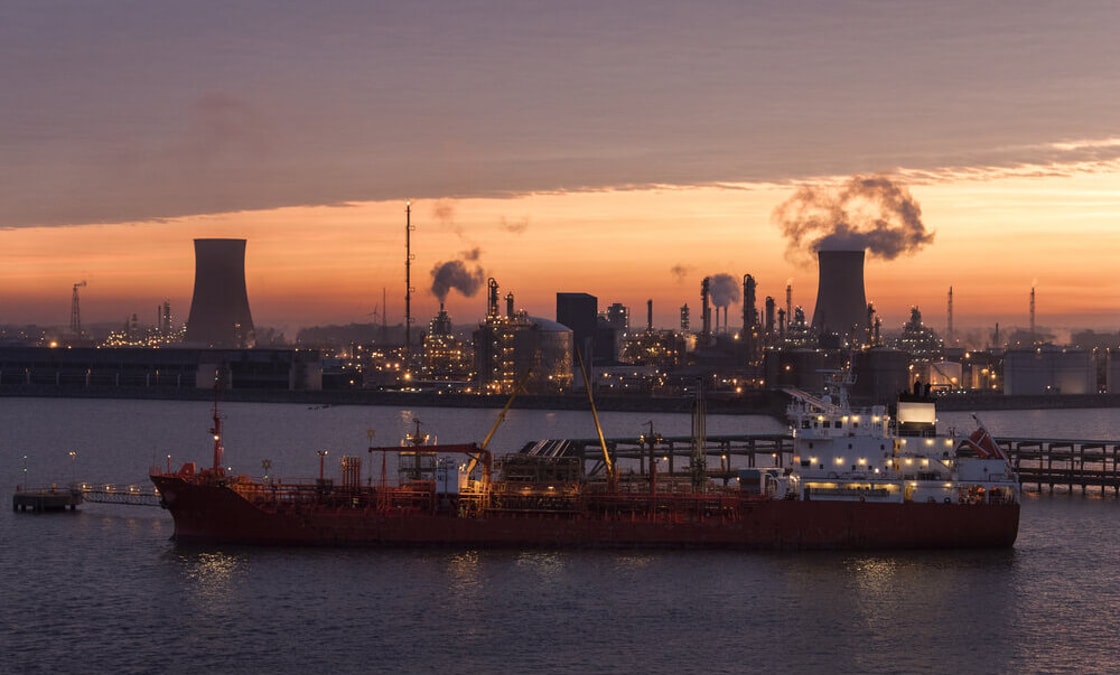
That was the message to Energy Secretary Ed Miliband from 30 companies and organisations across the Humber region, who said new hydrogen infrastructure could prevent further closures of industrial facilities.
The Department for Energy Security and Net Zero (DESNZ) is expected to launch a process to select an industrial region to receive £500m ($672m) in funding to build a hydrogen transport and storage network to connect producers and end-users.
Last year, the Humber saw the closure of a bioethanol plant and a refinery, along with cancelled plans to set up rare earths refining, job cuts at chemicals firms, and the mothballing of an ammonia facility.
“The introduction of major new infrastructure to provide hydrogen, as well as CCS, to the region is a vital option to future-proof such industry,” the group said.
According to the Hydrogen Energy Association’s project database, the region has two major blue hydrogen projects and four green hydrogen developments planned.
Norwegian oil and gas firm Equinor, energy player SSE Thermal, and gas storage major Centrica – all signatories of the letter – have already launched public consultations for their planned Humber Hydrogen Pipeline (HHP).
The 54km HHP would connect Centrica and Equinor’s planned 1GW blue hydrogen plant in Easington, Equinor’s proposed H2H Saltend blue hydrogen project, and SSE Thermal and Equinor’s repurposed natural gas storage caverns in Aldbrough.
The group also urged DESNZ to make decisions on which projects will start filling the region’s Viking CCS project, which could underpin the Humber’s blue hydrogen plants.
“Without positive decision-making and clear government action, there is a very real risk of de-industrialisation, job losses, and a decline in international investment,” the letter to Miliband warned.
However, the Humber industries will face competition from other UK regions, also betting on clean hydrogen to secure future competitiveness.
Teesside’s HyNet plans, and Grangemouth’s petro-chemical sector are likely to be among the lead regions being considered.
It also raises questions around how hydrogen could re-energise industries already struggling to compete with international imports, as the energy carrier continues to face high costs.
While proponents argue that hydrogen and CCS could help future-proof energy-intensive sites, the impact on competitiveness will depend on whether hydrogen can be supplied at a price that does not materially worsen operating costs.
At present, clean hydrogen remains significantly more expensive than natural gas, meaning the commercial case for fuel switching in the Humber is likely to depend on continued government support, carbon pricing and sustained cost reductions.