
Anil Srikar Pavuluri, who will be based in New Delhi, has extensive electrolyser and fuel cells experience working at Larsen & Toubro, Toshiba and GreenH Electrolysis.
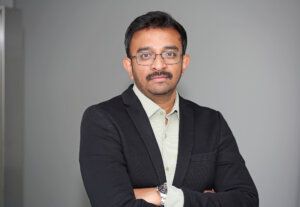
Anil Srikar Pavuluri
For Elcogen, specialising in high-efficiency solid oxide fuel cell (SOFC) and electrolyser (SOEC) technology, the move presents a significant opportunity, with the region experiencing fast green hydrogen and data centre growth.
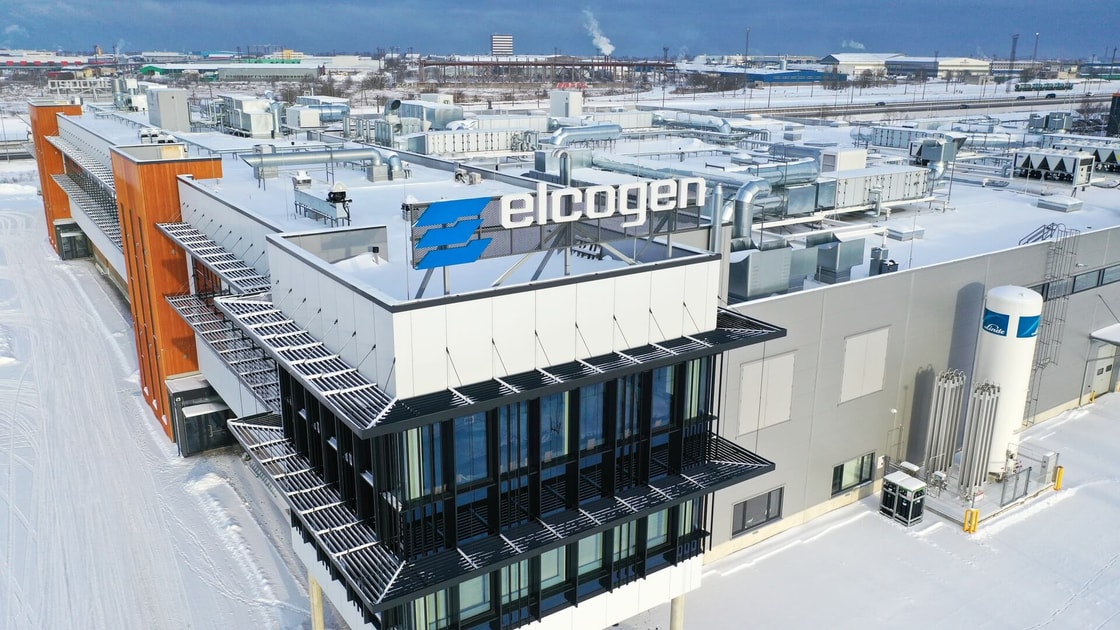
Elcogen says its solid oxide electrode-supported cells are among the “most efficient” on the market, and can operate at 600–800°C for both fuel cell and electrolysis operations.
It currently manufactures cells for third-party systems, as well as its own electrolyser stacks. It recently launched a 360MW manufacturing facility in Estonia.
Pavuluri said hard-to-abate sectors are energy-intensive and heat-rich, creating ideal conditions for solid oxide electrolyser cell integration to reduce the cost of hydrogen production.
“Simultaneously, the rapid growth of data centres and remote microgrids, where hydrogen supply can be paired with on-site power generation, makes SOFCs a strong hydrogen utilisation pathway,” he said.
India has been ramping up its support for green hydrogen, backing domestic production projects, offering green ammonia contracts with state-run fertilisers, and supporting native technology manufacturing.
A 2023 report by lobby group the India Hydrogen Alliance (IH2A) estimated the addressable market for Indian-manufactured hydrogen equipment could reach $45-50bn by 2030.
However, IH2A recently told H2 View government investments in electrolyser making could be wasted unless more work is done on stimulating demand for green hydrogen.
“The equipment manufacturing, engineering design and services export opportunity is sensitive to the pace of FID stage project development,” Amrit Singh Deo, IH2A Secretariat Lead, said. “More domestic FID stage project development will help India realise this.”