

Under the five-year electric vehicle affordability programme, both battery electric and FCEVs will be eligible for an incentive starting at CAD $5,000 in 2026 for the purchase or lease of cars priced up to CAD $50,000.
The scheme will gradually phase out, with the subsidy dropping to CAD $4,000 in 2027, CAD $3,000 in 2028 and 2029, and CAD $2,000 in 2030.
Lower value incentives are also available for plug-in hybrids.
It comes as part of Ottawa’s new automotive strategy, which does away with a previous EV sales mandate.
The new plan seeks to give EVs a 75% market share by 2035, without rigid sales quotas. Within the package, CAD $1.5bn has been earmarked to support EV charging, while hydrogen refuelling has not been mentioned.
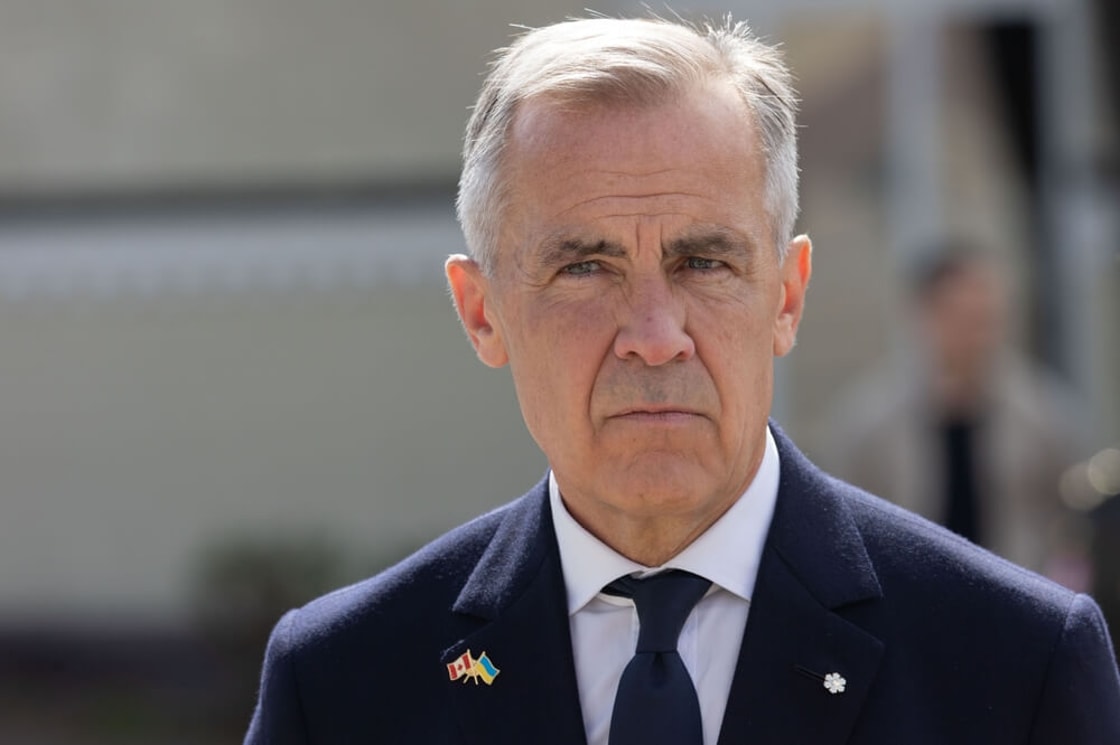
Additional tax write-offs will be made available for EV, battery, and advanced manufacturing investments, as the Carney government looks to onshore much of its supply chain.
While FCEVs are included in consumer incentives, the lack of investment in hydrogen refuelling infrastructure raises questions about the policy’s practical impact on FCEV uptake.
The passenger vehicle segment is increasingly viewed as a less viable application for hydrogen due to challenges related to refuelling infrastructure and concerns around the overall efficiency of the pathway.
While some automakers like Honda and Toyota continue to back their FCEVs, the wider sector is betting on hydrogen’s fast refuelling and long ranges for heavy-duty use cases.
Hydrogen mobility’s shift from market challenger to strategic hedge