
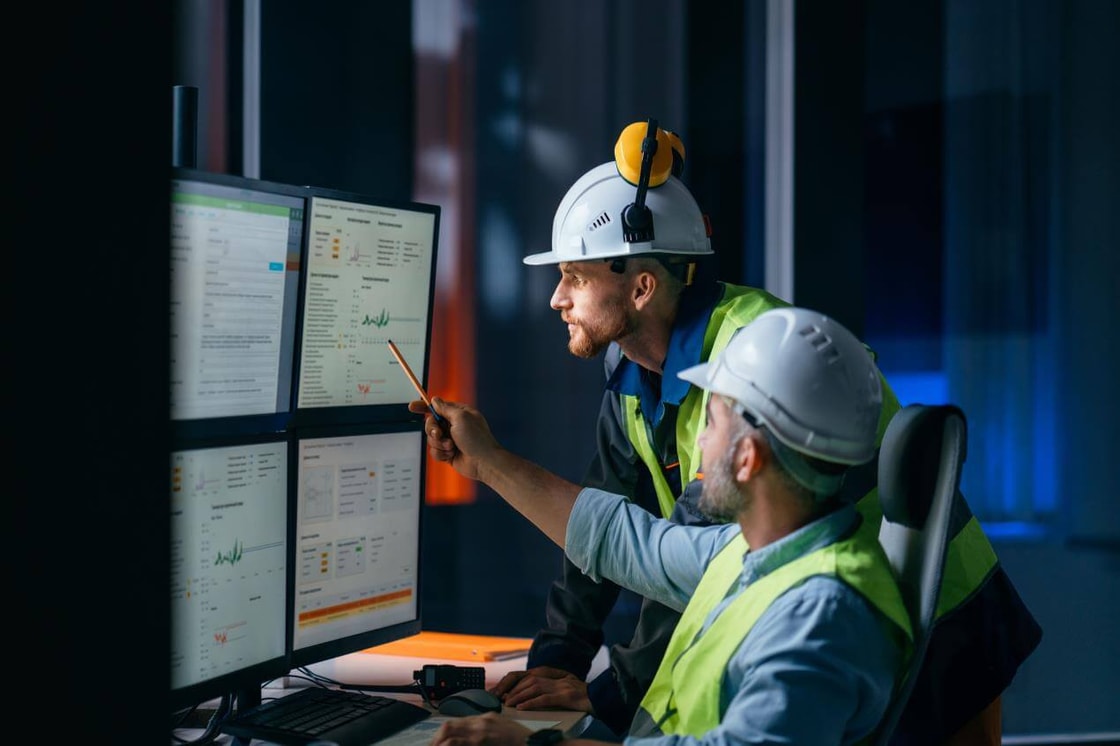
Following trials using a 20kW solid oxide electrolyser, Schneider said the control solution continuously monitored and adjusted the system for an operating period of over 6,000 hours, reducing stack wear and improving energy efficiency by 10%.
The AI software – which uses Microsoft Azure AI Foundry to automate engineering tasks such as managing thermal balance, hydrogen flow, and energy inputs – was integrated into a system from Indian clean technology developer, H2E Power.
Gwenaelle Huet, Executive Vice President, Industrial Automation at Schneider Electric, said the trial represents a migration path towards software-defined automation performing under real-world industrial conditions.
While the trial demonstrates possible improvements, deployment in larger-scale hydrogen production systems will be a key test for the software.
Several players have begun exploring the deployment of AI in green hydrogen production, but it remains in its early stages with large-scale generation yet to emerge.
In October 2025, Canada-based industrial diagnostic company Pulsenics deployed its AI-powered system to monitor the health and performance of electrolyser stacks from Australian firm Endua.
These systems can help optimise electrolyser performance under intermittent renewable inputs, help track real-time degradation, and predict maintenance schedules.
By reducing system energy consumption, AI tools can have a direct impact on reducing lowering LCOH.
However, the tools remain nascent, with operators more widely relying on traditional human-led monitoring.
Stay ahead with a H2 View subscription
Gain access to the insights, data, and analysis trusted by hydrogen professionals worldwide.
With a H2 View subscription, you get:
- Unlimited access to 15,000+ articles
- Monthly digital magazine + H2 Review
- Exclusive interviews, webinars and reports
- Expert analysis shaping the hydrogen conversation