

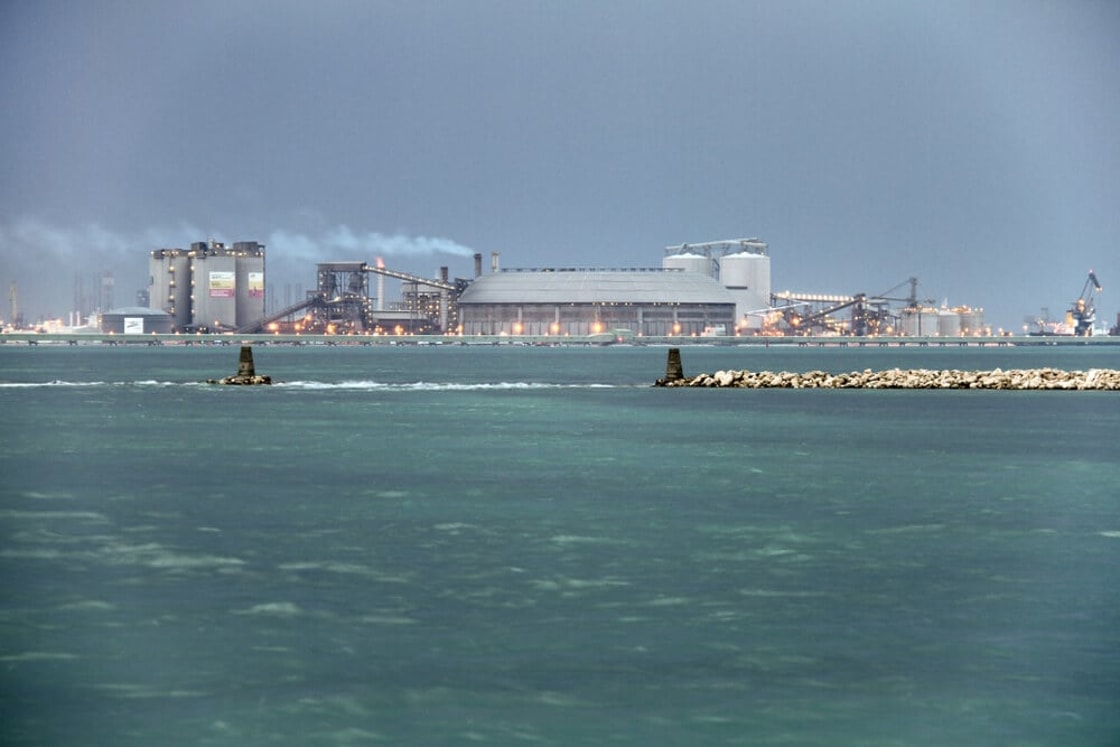
Its Sitra refinery produces hydrogen primarily through a high-capacity hydrogen production unit. Recently it added a clean hydrogen project using electrolysis powered by renewable energy, which supplies 20% of the refinery’s total hydrogen, as part of a $6bn modernisation programme.
The hydrogen is primarily used for hydrocracking and hydride sulfurisation to produce cleaner fuels.
The refinery also produces various petroleum products, including diesel, jet fuel, and naphtha for export.
When force majeure is announced, the party unable to perform its contractual duties due to unforeseen, uncontrollable circumstances (such as natural disasters, wars, or pandemics) is generally excused from liability for non-performance or delay.
This action pauses or suspends contractual obligations rather than automatically cancelling them, though prolonged disruption may allow for contract termination.
The conflict is causing major market volatility with oil prices breaking through $100 this week.
Oil prices could reach $150 a barrel (bbl) in the coming weeks in the event of a prolonged conflict – and potentially rise even higher – as the global market strives to correct itself, according to energy research consultancy Wood Mackenzie.
At such prices, demand would fall through multiple channels: industrial users curtailing consumption, transport substitution away from oil-intensive modes, economic contraction reducing overall activity, and consumers cutting discretionary travel.
Prices rising as high as $200 are not out of the equation, it forecasts.
While oil reached $150bbl in inflation-adjusted terms during the 2022 Russia invasion of Ukraine, this situation could prove more severe.
“Supply volumes at risk this time are dimensionally bigger – and real,” said Simon Flowers, Chairman and Chief Analyst at Wood Mackenzie. “In our view, $200bbl is not outside the realms of possibility in 2026.”