

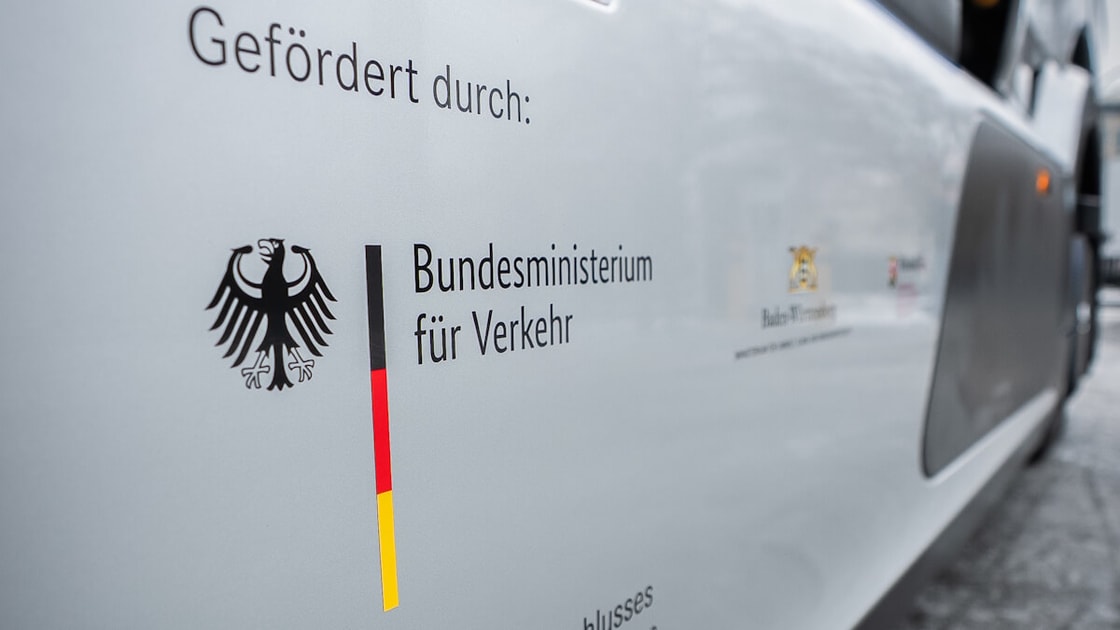
The pilot roll-out aims to build up the use of hydrogen trucks and keep up with the EU’s Alternative Fuels Infrastructure Regulation (AFIR), which mandates hydrogen refuelling stations be installed in all “urban nodes” and every 200km along core networks by 2030.
The BMV claims the funding will support the construction of up to 40 refuelling stations and help put up to 400 hydrogen trucks on the road.
Refuelling stations must be built to AFIR requirements of being able to fuel both heavy and light-duty vehicles, while stations will be able to be subsidised by up to 50%.
Additionally, the BMV scheme will offer subsidies to cover up to 80% of the cost difference for new hydrogen trucks compared with diesel vehicles.
Project proposals must be submitted via the BMV’s online portal by 31 May.
Federal Transport Minister Patrick Schnieder stressed Germany’s commitment to promoting a hydrogen refuelling infrastructure.
“Step by step, a reliable basic network will be created – a vital piece of the puzzle for the transition to climate-friendly drives in heavy-duty transport”, Schnieder said.
It follows Berlin’s approval of green hydrogen usage mandates in the mobility sector, requiring the energy carrier to meet 1.2% of transport energy by 2030.
European mobility players have also been doubling down on heavy-duty hydrogen mobility, despite wider setbacks in the market.
Germany’s Daimler Truck recently unveiled a new liquid hydrogen fuelled truck, while Teal Mobility continues to expand on a network of refuelling stations concentrated primarily in the Benelux region of Europe.
Stay ahead with a H2 View subscription
Gain access to the insights, data, and analysis trusted by hydrogen professionals worldwide.
With a H2 View subscription, you get:
- Unlimited access to 15,000+ articles
- Monthly digital magazine + H2 Review
- Exclusive interviews, webinars and reports
- Expert analysis shaping the hydrogen conversation