

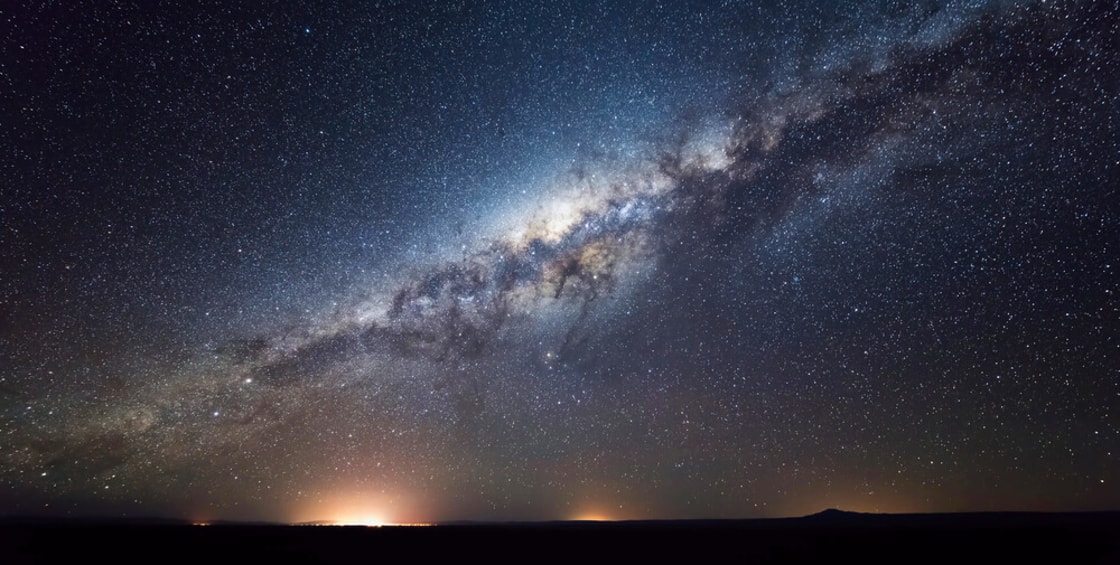
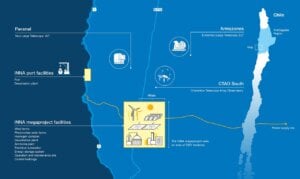
The Chilean arm of the US-based AES Corp said it would discontinue development of the Inna project, a sprawling complex combining wind and solar generation, battery storage, electrolysers, desalination infrastructure and pipelines.
The project was intended to produce green hydrogen for export and domestic consumption, although its exact scale was never disclosed.
In 2024, alongside submission of the project’s environmental impact assessment (EIA), AES inked an early-stage deal with South Korean EPC major Samsung E&A to evaluate the project.
However, AES said it would “desist” from executing the Inna development and instead focus on expanding its renewable energy and energy storage portfolio, “in line with the guidelines of its parent company in the US.”
“This decision does not call into question the value or potential of Chile’s green hydrogen industry,” it said.
Following submission of the EIA, the project drew criticism from the European Southern Observatory (ESO) over its potential impact on astronomical operations in the region.
“This complex, planned to be located just a few kilometres from ESO’s Paranal Observatory in northern Chile, will have the size of a city like Valparaíso…and poses a significant threat to the world’s most pristine dark skies,” ESO said.
ESO stressed that the region hosted some of the world’s “most advanced astronomical facilities” like the Very Large Telescope, the planned Extremely Large Telescope, and the Southern Array of the Cherenkov Telescope Array Observatory.
© ESO
Chile’s vast renewable energy potential, land availability, and access to ports have captured the minds of various developers looking to build large-scale green hydrogen, as the nation looks to set itself up as an exporter of the energy carrier to markets like Europe.
The cancellation of Inna highlights the growing tension between industrial-scale energy development and the protection of scientifically sensitive sites.
Stay ahead with a H2 View subscription
Gain access to the insights, data, and analysis trusted by hydrogen professionals worldwide.
With a H2 View subscription, you get:
- Unlimited access to 15,000+ articles
- Monthly digital magazine + H2 Review
- Exclusive interviews, webinars and reports
- Expert analysis shaping the hydrogen conversation