

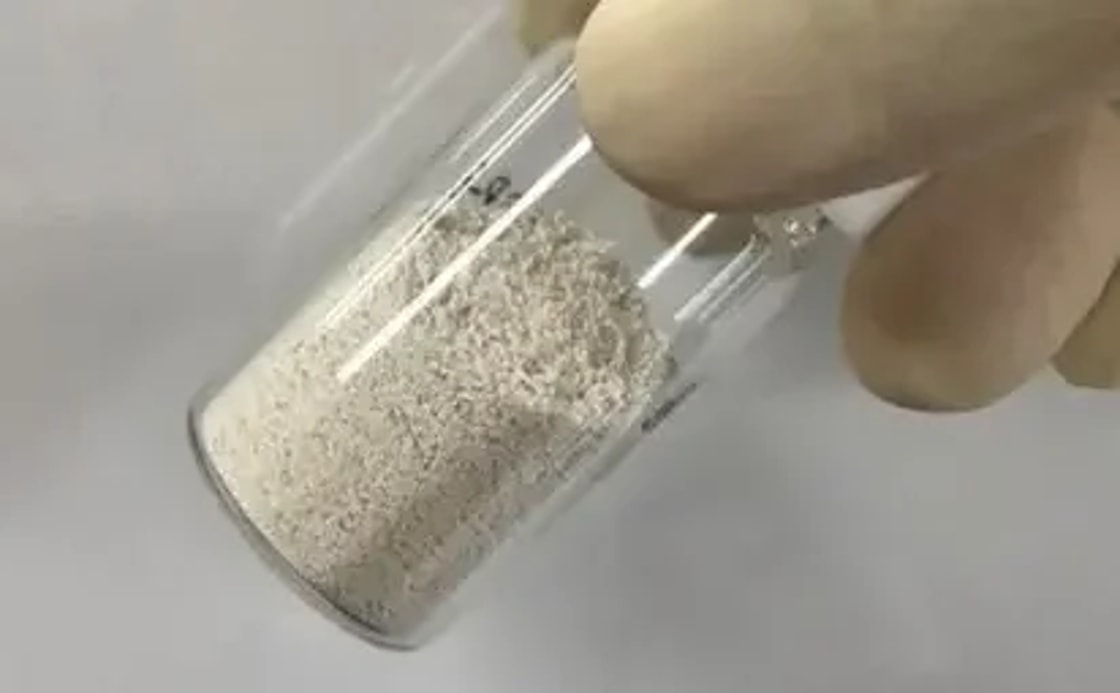
The company says the hydrocarbon-based polymer electrolyte improves proton conductivity, gas barrier properties, and reduces hydrated state swelling when compared to conventional PEM materials.
Tosoh also says it avoids the use of fluorine-based PFAS membranes, which while offer high performance and durability, raise concerns due to their environmental persistence, health risks, and increasing regulatory pressure.
Tosoh has begun providing samples to select users and is planning its commercial launch as soon as possible.
With PEM increasingly the technology of choice in green hydrogen production worldwide, the effectiveness of PEM membranes becomes an important factor in the levelised cost of hydrogen.
Electrolytes membrane sit at the heart of the PEM electrolysis process, allowing protons to pass through while keeping hydrogen and oxygen safely separated.
A membrane’s hydration, conductivity, and stability directly determine efficiency, safety, and lifetime. As a result, the membrane is not just a passive component but a critical factor in the process.
Stay ahead with a H2 View subscription
Gain access to the insights, data, and analysis trusted by hydrogen professionals worldwide.
With a H2 View subscription, you get:
- Unlimited access to 15,000+ articles
- Monthly digital magazine + H2 Review
- Exclusive interviews, webinars and reports
- Expert analysis shaping the hydrogen conversation