

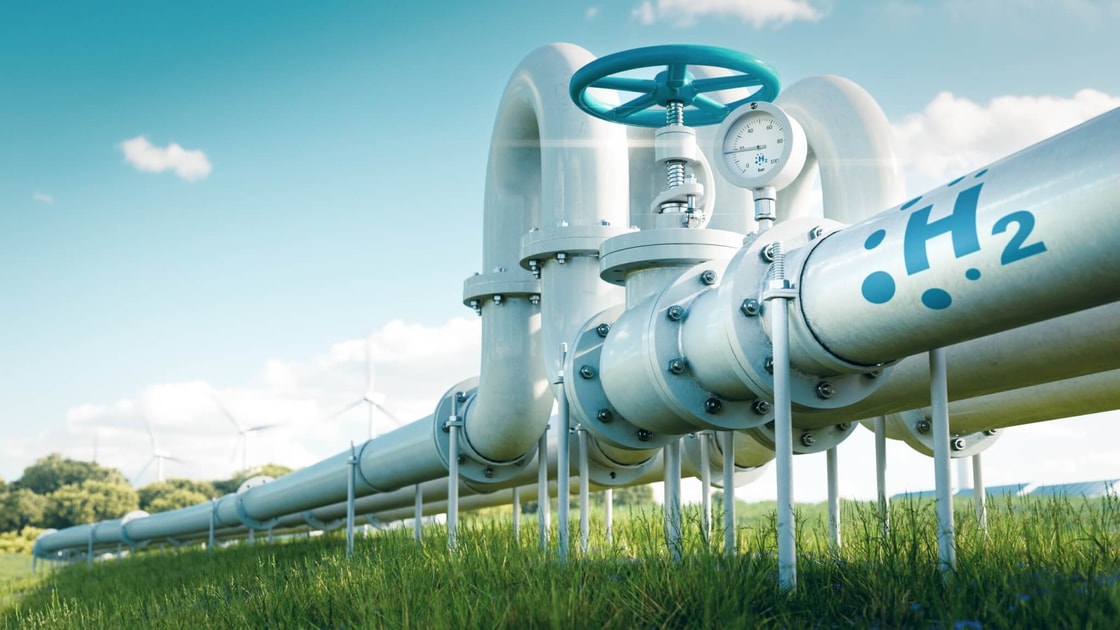
India’s Petroleum and Natural Gas Regulatory Board (PNGRB) and German Technical and Scientific Association for Gas and Water (DVGW) inked a memorandum of understanding to advance the hydrogen readiness of natural gas infrastructure in India.
The non-binding MOU focuses on regulatory and technical framework, rather than project-level investment. PNGRB says it is an entry point for progressing from hydrogen blending to 100% hydrogen applications.
Under the agreement the two parties will collaborate on technical rules and testing principles, a hydrogen readiness testing scheme, network simulation tools, various practices and safety methodologies, and technical visits and knowledge exchange.
The PNGRB is already working on preparing India’s natural gas infrastructure for blending of hydrogen through retrofitting and repurposing of existing gas systems.
Germany is currently working on one of the world’s most advanced hydrogen pipeline projects, a 9,000km hydrogen core network currently under construction.
Green hydrogen activity in India is also ramping up. The country is targeting five million tonnes of green hydrogen production annually through its National Green Hydrogen Mission.
Hydrogen blending remains a contentious topic. Proponents suggest it can decarbonise the existing gas grid whilst stimulating early demand for clean hydrogen projects. However, due to hydrogen’s lower energy density the carbon dioxide reduction impact can be modest: at 20% blended CO2 reductions would amount to just 7%.
Never miss a hydrogen headline
Hydrogen moves fast – stay on top of it with our daily and weekly briefings.
- Daily: The top five hydrogen stories, straight to your inbox
- Weekly: The week’s biggest news, features, interviews and analysis
- North American Bulletin: Dedicated coverage of the region’s key hydrogen developments