

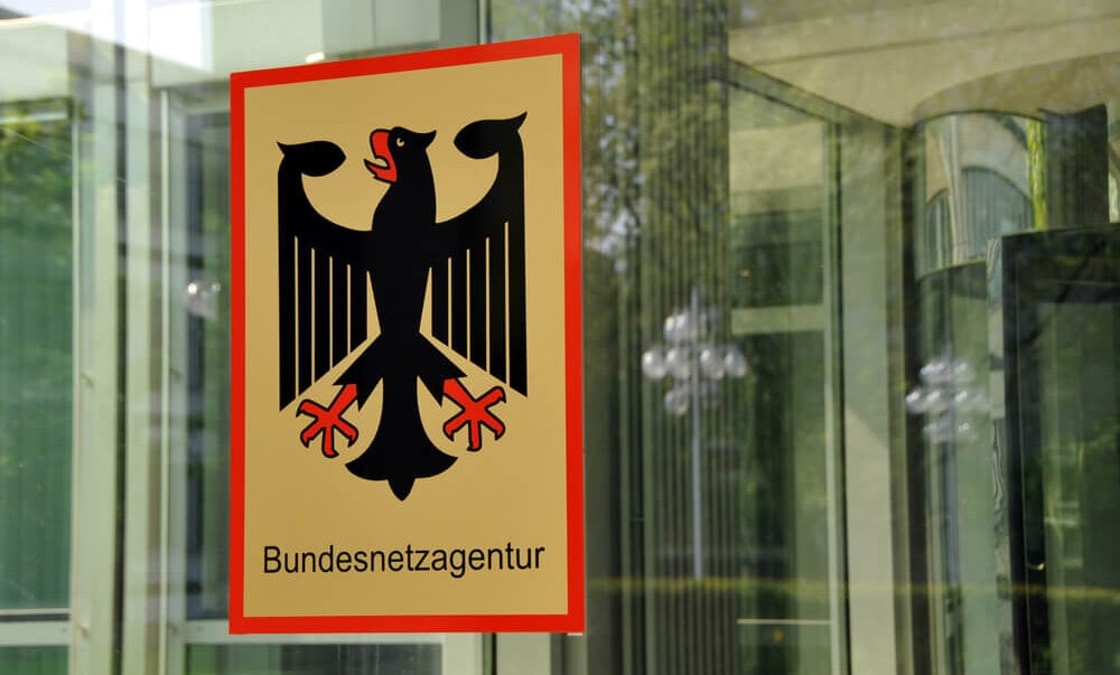
Until now, access to the network has been governed by a single, uniform ramp-up tariff, established ahead of widespread commercial use. The latest KOSMO update introduces more flexible and differentiated pricing as network utilisation begins to develop.
The changes retain the €25/kWh/h ramp-up tariff but introduce differentiated pricing for specific capacity products, including multipliers for short-term bookings and discounts for interruptible transport and hydrogen injected into storage.
BNetzA says the approach will improve cost transparency, lower risk for flexible users, and support early utilisation of the network as volumes begin to scale.
“We have now put in place the last building block that was missing from the tariff system for the core network,” said Klaus Müller, President of the BNetzA.
“KOSMO ensures reasonable prices that reflect the value of the various transport products.”
The update comes as Germany’s hydrogen network enters initial commissioning and test injections, including Gascade’s recent conversion of around 400km of natural gas pipelines.
German transmission system operators (TSOs) are due to begin capacity reservations from 2026, allowing producers, industrial users, and traders to make binding bookings for future entry and exit points.
BNetzA said the revised tariff structure is designed to evolve alongside growing demand, rather than locking the network into a single pricing model during its early years.
Stay ahead with a H2 View subscription
Gain access to the insights, data, and analysis trusted by hydrogen professionals worldwide.
With a H2 View subscription, you get:
- Unlimited access to 15,000+ articles
- Monthly digital magazine + H2 Review
- Exclusive interviews, webinars and reports
- Expert analysis shaping the hydrogen conversation