

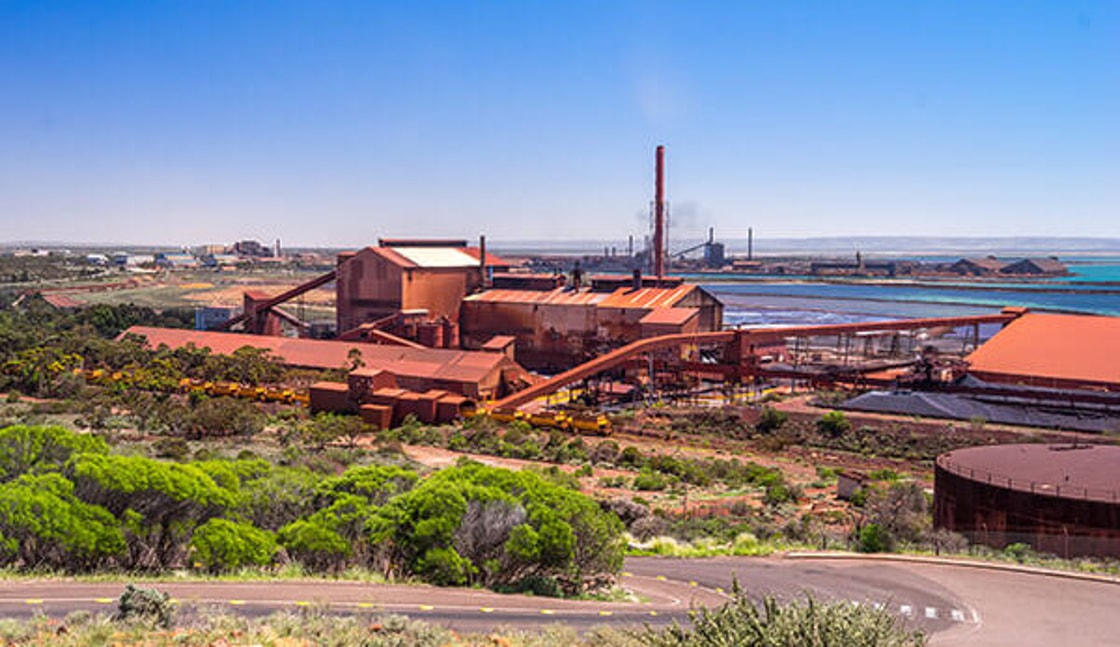
Under a Memorandum of Understanding, Hazer’s methane pyrolysis technology could produce hydrogen in Whyalla to replace natural gas in iron reduction and synthetic graphite for use in electric arc furnaces.
M Resources argues it will be able to produce steel with much lower emissions and at a lower cost than using green hydrogen alone.
However, Hazer’s selection as the preferred technology option will only apply if M Resources successfully purchases the steelworks.
One Steel Manufacturing’s (OSM) facility is currently being offered for sale by its administrator, KordaMentha, through a process managed by 333 Capital.
If the bid is approved, Hazer will build a large-scale methane pyrolysis plant in Whyalla to support the steelworks.
“We’ve long spoken about the potential of Hazer’s technology and its strong alignment with low-carbon emissions iron and steel production,” said Glenn Corrie, Hazer CEO and Managing Director.
“The opportunity to apply Hazer’s technology in conjunction with KBR at Whyalla is particularly compelling. In my recent engagements in Canberra, steelmaking was consistently recognised by key ministries as a natural fit for Hazer’s technology and Australia’s broader clean-industry ambitions.”
The companies claim the project aligns with state and federal decarbonisation goals.
The proposal comes shortly after Australia opened the next phase of its AUD $2bn Hydrogen Headstart programme, aimed at supporting large-scale hydrogen production for industrial end uses, including steel.
Methane pyrolysis gains ground in the hydrogen production debate
As high-profile clean hydrogen projects stall and face growing scrutiny, industry and investors are keeping their eyes on new technologies that could tackle the high-cost concerns of green hydrogen and environmental questions of blue.
Despite being around for over 100 years, methane pyrolysis – producing so-called turquoise hydrogen – has so far seen limited commercial deployment. But with growing pressures for a viable clean hydrogen solution, is the tide turning?
Historically, challenges such as high-energy inputs have prevented the technology from maturing. Methane pyrolysis produces hydrogen by breaking down methane into hydrogen and solid carbon by heating the gas to 1,000–1,500°C in an oxygen-free reactor environment.
Now, however, its ability to produce hydrogen without carbon dioxide (CO2) emissions and instead yield a valuable solid carbon byproduct has renewed interest from both industry and investors.
Continue reading here.