

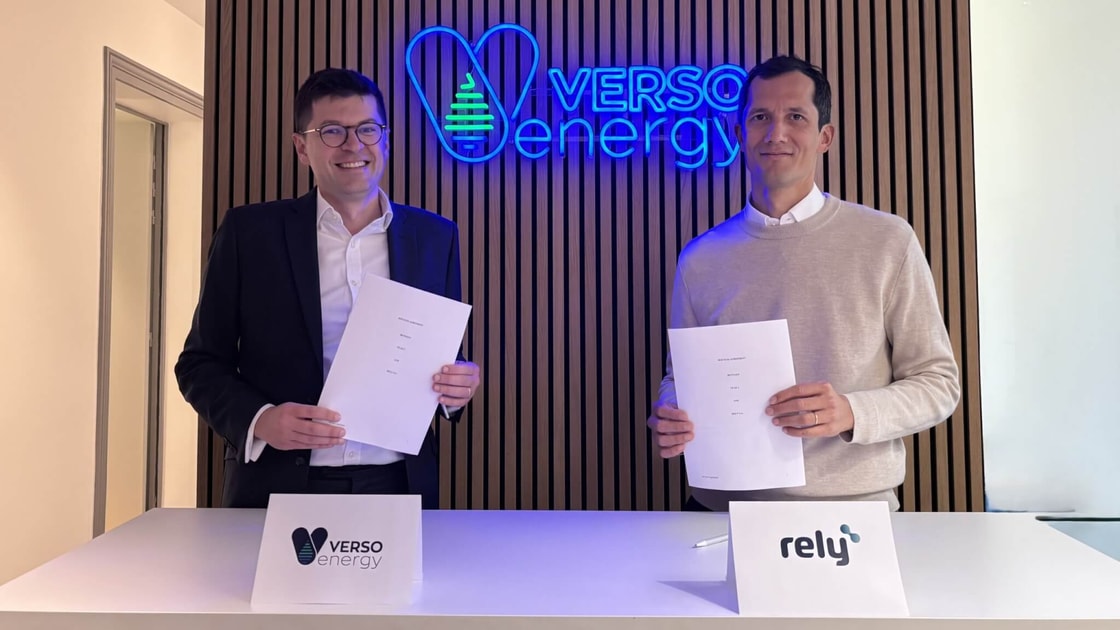
The French company said project DEZiR is the first industrial-scale eSAF initiative in the country to reach the FEED stage.
The John Cockerill and Technip Energies joint venture (JV) Rely is expected to “provide the level of definition needed to de-risk the project and pave the way towards engineering, procurement, and construction (EPC) execution.”
Representing an investment of €1.3bn ($1.5bn), the initiative is expected to produce up to 81,000 tonnes of eSAF per year. By replacing fossil-based kerosene, Verso Energy claimed this could avoid the emissions of over five million tonnes of CO2 over the project’s 25-year lifespan.
DEZiR was also one of 13 hydrogen-based projects selected to receive a share of €2.9bn ($3.2bn) from the EU, under its latest Innovation Fund round.
Verso Energy is scheduled to move into the grant agreement preparation phase with the European Climate, Infrastructure and Environment Executive Agency (CINEA) in 2026.
Alongside its additional hydrogen-based SAF projects, Verso aims to produce over 500,000 tonnes per year, with up to 90% lower lifecycle emissions compared to conventional jet fuel.
“We are on track to meet the 2030 targets for eSAF in aviation, and starting the FEED of the DEZiR project is a critical step in our journey and a significant investment,” explained Antonie Huard, Verso Energy CEO.
“By partnering with Rely, we are leveraging their expertise in large-scale industrial projects and their commitment to standardisation and innovation,” the CEO added.
France’s electricity concerns should not derail local hydrogen-based SAF ambitions: Verso Energy
France’s electricity supply concerns should not divert focus from domestic green hydrogen-based sustainable aviation fuel (e-SAF) production in favour of imports.
That’s according to Antoine Huard, CEO of French e-fuel producer Verso Energy, who told H2 View that while policymakers generally support domestic e-SAF production, some are still considering import strategies, over concerns about power availability.
“Two years ago in Le Bourget, President Macron confirmed France’s commitment to e-SAF development in front of the worldwide airline industry,” Huard said. “However, on the ground, we sometimes still perceive hesitation about the appropriateness of such developments”.
This shift is largely driven by concerns over electricity supply shortages, Huard said. France, which has historically relied on nuclear power to meet much of its energy demand, experienced significant disruptions from late 2021 to 2023.
H2 View subscribers can continue reading here.